Which STDs a Urine Test Can Catch in Salt Lake City
This page is general health information, not medical advice. It cannot tell you whether you have an infection. A clinician can, and the testing options on this site are a good place to start.
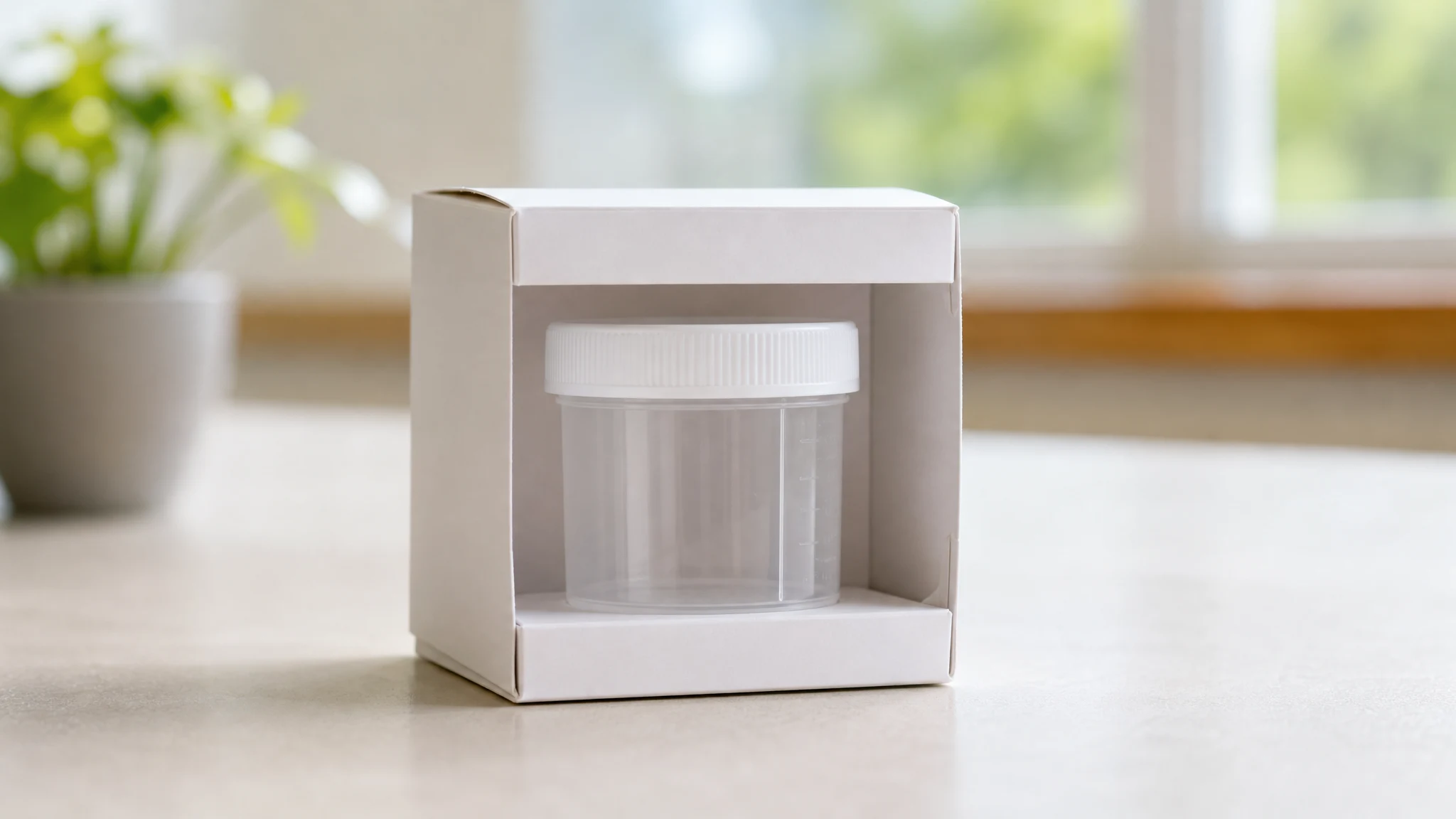
A urine test is one of the easiest ways to be tested for some infections. You provide a sample in a cup, and a lab analyzes it. There is no swab and usually no needle.
But a urine sample cannot check for everything. This guide explains what urine testing covers, what it misses, and how to give a good sample. It is written for anyone seeking urine STD testing in Salt Lake City.
What you need before you go
- A photo ID, if the clinic asks for one. Check when you book.
- A list of where you have had sex or contact in recent months (genital, anal, oral). This helps the clinician choose the right tests.
- Any symptoms you have noticed, and when they started.
- Your insurance card, if you have one. Some clinics bill insurance and some do not.
- A little time to wait. Walk-in clinics can be busy.
Which infections a urine test can look for
The CDC STI Treatment Guidelines (2021) describe urine as an accepted sample for nucleic acid amplification tests, or NAATs. These tests look for the genetic material of an organism. In practice, urine is used for three infections.
Chlamydia
Chlamydia is a bacterial infection. The CDC guidelines list urine as a recommended sample for men and accept it for women, though a vaginal swab is the preferred sample for women. Chlamydia is curable with treatment from a clinician.
Gonorrhea
Gonorrhea is also bacterial, and the same sample rules apply. Gonorrhea is curable with treatment from a clinician. Your clinician decides which treatment fits, based on current CDC guidance.
Trichomoniasis
Trichomoniasis is caused by a parasite. The CDC guidelines say NAAT testing can use urine in men, while a vaginal swab is preferred for women. Not every clinic or lab offers a urine test for it, so ask. Trichomoniasis is curable with treatment from a clinician.
Which infections a urine test cannot check
This is where most confusion happens. A person may ask for "the full panel" and assume a cup covers it all. It does not.
- HIV: The CDC recommends testing with blood or other approved samples, not routine urine. HIV is not curable, but it is treatable, and people on treatment can live long, healthy lives.
- Syphilis: This is usually found with a blood test. If there is a sore, a clinician may also take a sample from it. Syphilis is curable with treatment from a clinician.
- Herpes: A clinician can swab a sore. Blood tests exist, but the CDC guidelines do not recommend routine herpes screening for people without symptoms. Herpes is manageable but not curable.
- HPV: There is no urine test for HPV. Cervical screening is the main HPV-related test and is done by a clinician. HPV is not curable, though many infections clear on their own, and vaccines are available.
- Hepatitis B and C: These are found through blood tests.
The site problem: urine only checks one place
A urine sample mostly reflects the urinary and genital tract. Chlamydia and gonorrhea can also be in the throat or rectum. The CDC guidelines recommend testing those sites with swabs when oral or anal sex may have exposed them.
This matters for people of every gender and orientation. If you have had oral or anal sex, tell the clinician. A negative urine result does not speak for the throat or rectum.
The Salt Lake County Health Department clinic lists its chlamydia and gonorrhea fee as $40 per site. That is the clinic's own wording, so ask staff how sites are counted when you book.
Step by step: how to give a good urine sample
- Ask how to prepare. Call the clinic or ask at check-in. Many labs prefer a "first catch" sample, which means the first part of the stream, not a midstream sample. They may also ask you not to urinate for a period before the test. Follow your clinic's instructions, because they know their lab's method.
- Tell the clinician about all exposure sites. Say whether you have had genital, anal or oral contact. This lets them add swabs if needed, rather than relying on urine alone.
- Wash your hands and open the cup carefully. Do not touch the inside of the cup or lid. Place the lid face up on a clean surface.
- Collect the sample as directed. Staff will tell you how much to collect. If you are not sure, ask. Do not fill the cup beyond the line.
- Close the lid and label it. Wipe the outside if needed. Hand it over as instructed, or place it where staff direct you.
- Ask when and how you will hear back. Ask whether results come by phone, portal or visit. Ask which number they will call from, so you recognize it.
- Plan the follow-up. If a result is positive, a clinician will explain next steps. Ask whether partners should be told and how that can be done.
Tips and common mistakes
- Testing too soon after a possible exposure. Tests need time to detect an infection. Timing differs by infection, so ask the clinician when a test is most informative for you. If you are unsure, ask whether a repeat test makes sense.
- Urinating just before the visit. Many labs ask people to hold off beforehand. A very dilute sample may be less reliable. Check your clinic's guidance.
- Assuming one cup covers everything. A urine sample cannot test for HIV, syphilis or herpes. Ask what each test on your order is for.
- Skipping throat or rectal swabs. If those sites were exposed, urine alone leaves a gap.
- Waiting to test because of symptoms, or no symptoms. Chlamydia and gonorrhea often cause no symptoms, according to the CDC. Testing is how a clinician finds out.
- Not asking about costs first. Fees vary by clinic. Ask before you are seen.
What results can mean
Urine NAAT tests are considered highly accurate for chlamydia and gonorrhea when used on the right sample type. No test is perfect, though.
A negative result suggests that the organism was not detected in that sample at that time. It does not rule out infection at other sites or very recent exposure. A positive result means the test detected the organism, and a clinician will confirm what it means and which treatment to prescribe.
Many people are surprised by a result. That is normal. These infections are common and treatable, and a result is just information.
Why this matters in Salt Lake County
Utah IBIS-PH, the state health data system, reported a 2022 chlamydia rate of 479.7 per 100,000 people in Salt Lake County. The statewide rate was 328.7 per 100,000. For gonorrhea, the county rate was 166.4 per 100,000, compared with 91.2 per 100,000 for Utah overall.
These are reported cases, so they reflect who was tested as well as who was infected. They show why routine testing is worth considering, especially because both infections can be silent.
Where to get a urine test in Salt Lake City
The list below comes from published clinic and directory pages. Confirm hours and services by phone, since they can change.
- Salt Lake County Health Department STD Clinic (Salt Lake Public Health Center): 610 South 200 East, entering from 200 East. The county lists an office visit fee of $60 for county residents and $80 outside the county, with chlamydia and gonorrhea testing at $40 per site. The clinic says it cannot bill health insurance. It tests anyone 14 or older. Hours are Monday to Friday, 8:00 AM to 5:00 PM, and the clinic opens at 1:00 PM on the 1st and 3rd Wednesday of each month. Walk-ins are accepted when possible, and appointments shorten the wait. Call 385-468-4242.
- Planned Parenthood Association of Utah, Salt Lake Health Center: 654 S 900 E. The CDC GetTested directory lists chlamydia, gonorrhea and syphilis testing, a sliding scale, and acceptance of insurance and Medicaid. An appointment is required. Call (801) 322-5571. The directory does not list hours.
- Community Health Centers Inc.: The Oquirrh View center is at 4745 S 3200 W, (801) 964-6214, and the Ellis R. Shipp Clinic is at 4535 S 5600 W, (801) 676-4405. The CDC GetTested directory lists a sliding scale and says to contact the organization about eligibility.
- University of Utah Student Health Center: 555 Foothill Dr, 801-581-6431. Testing is by appointment, and visit and lab fees apply. The page does not say whether non-students can use it, so ask.
For a longer comparison, see where to get tested in Salt Lake City. You can also browse the local testing list. The CDC's GetTested directory lets you look up more sites by ZIP code.
Utah DHHS, through its IBIS data pages, says people 14 and older can consent to STI care without a parent. The Salt Lake County clinic also lists testing for anyone 14 or older.
Questions to ask when you book
- Do you use urine samples, swabs, or both for chlamydia and gonorrhea?
- Do you test for trichomoniasis, and how is the sample collected?
- Can I add HIV and syphilis blood tests on the same visit?
- What is the total cost, and how are sites counted?
- How and when will I get my results?
If you want testing for infections a urine sample cannot cover, say so at the start. Free and low-cost options exist in the city, and the clinics above can explain what fits your situation.
Sources
- CDC, Sexually Transmitted Infections Treatment Guidelines, 2021
- CDC GetTested directory
- Salt Lake County Health Department, STD and Infectious Disease Clinic testing page
- Salt Lake County Health Department, clinic contact page
- Utah IBIS-PH, Chlamydia Cases
- Utah IBIS-PH, Gonorrhea Cases
- Utah DHHS IBIS, available services and minor consent (Utah Code 26B-7-214)